One doctor. From your first consultation to the final graft. Over 3,000 procedures, personally performed, in the heart of Munich. English-speaking care.
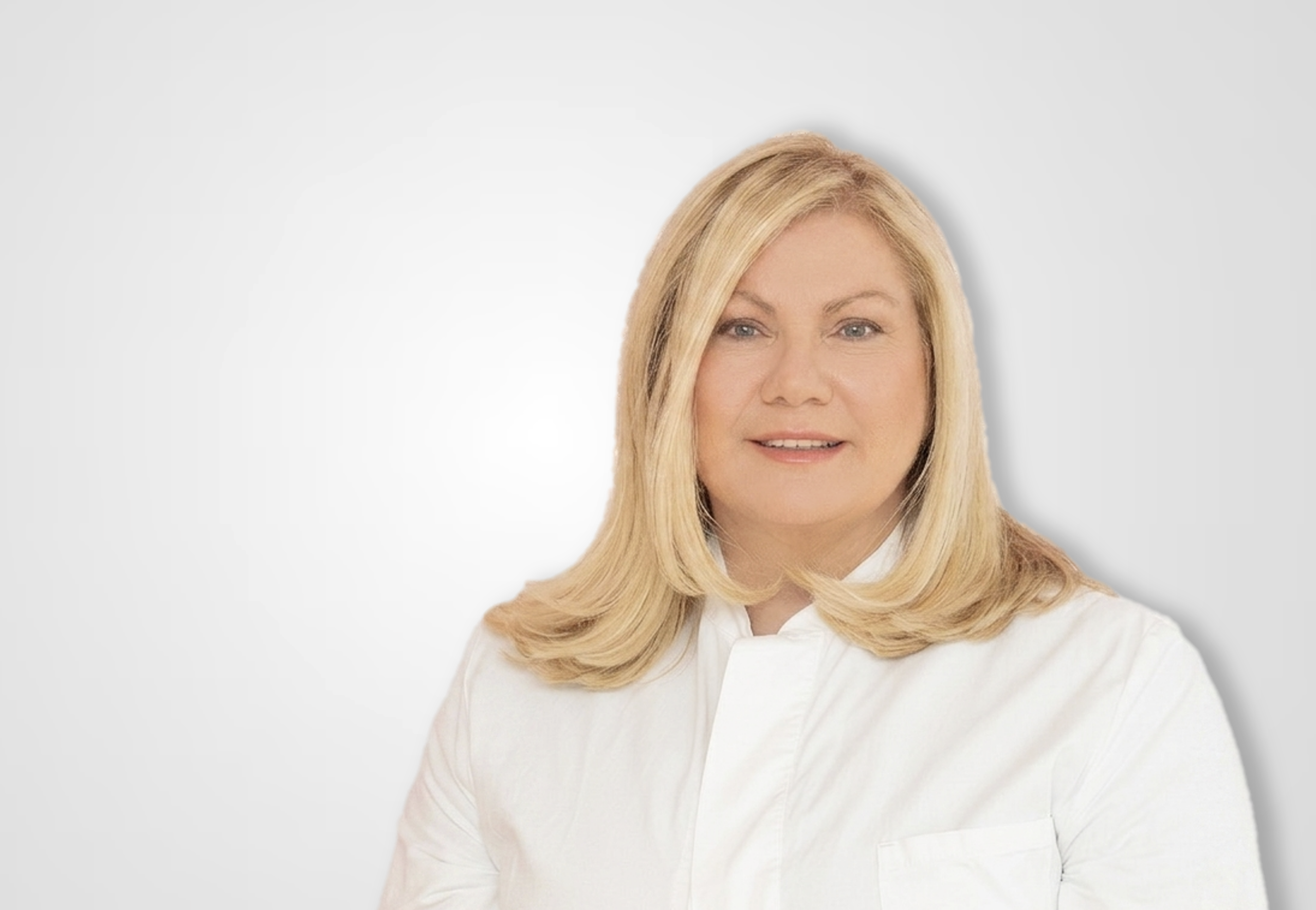
For more than twelve years, Dr. Sussan Rosenthal has performed every hair transplant herself. Consultation, planning, surgery, aftercare: all with her, not with a rotating team.
As one of only a handful of female surgeons worldwide, she trains other surgeons in ARTAS® technology at international workshops. What she teaches there comes from roughly 3,000 procedures of her own.
Munich Hair Transplant is a certified ARTAS® iX Center of Excellence and was the first clinic for robot-assisted hair transplantation in Bavaria. Here is what that means in practice.
ARTAS® iX Center of Excellence. A standard that is re-audited regularly, not awarded once and forgotten.
For over twelve years, Dr. Rosenthal has carried out every procedure herself, from planning through to aftercare.
As faculty, she trains surgeons internationally in ARTAS® technology.
Robot-assisted and manual FUE. The method follows your diagnosis, not the equipment.
No two cases of hair loss are the same. Whether a hair transplant, MesoHair or PRP is right for you depends on your diagnosis, not on a standard package. Your consultation produces a plan built around you.
Robot-assisted FUE. Precise extraction, minimal scarring, fast healing.
Follicular Unit Extraction by hand. Maximum control in fine and demanding areas.
Non-surgical therapies to strengthen and regenerate the hair you still have.
An analysis of your diagnosis, your wishes and your goal. Only then is the method decided.



Costs, methods, healing, suitability: the questions that come up before almost every consultation. Can't find yours? Send us a message.
The cost depends on the number of grafts needed and the method chosen, either ARTAS® iX or manual FUE. A reliable figure can only be given after examining both the recipient and donor areas; flat-rate package prices tell you very little about your own case. You will receive an individual cost plan at your first consultation.
That depends on the extent and pattern of your hair loss, the density of the donor area at the back of the head, and your goal. A receding hairline at the temples often needs 1,000 to 2,000 grafts; an extensive bald spot at the crown needs considerably more. The exact number comes from a hair analysis at your consultation, not from an estimate based on a photo.
For hereditary hair loss, a hair transplant counts as an aesthetic procedure and is generally not covered by German statutory health insurance (gesetzliche Krankenkasse). The situation can be different for hair loss following burns, accidents or surgical scars. In those cases it is worth submitting an enquiry to your insurer before the procedure.
Depending on the number of grafts, a hair transplant takes around four to eight hours and is completed in a single day. Dr. med. Sussan Rosenthal performs every procedure personally: consultation, planning, surgery and aftercare all stay in one pair of hands, with no rotating team.

Both techniques harvest individual follicular units, known as grafts. With ARTAS® iX, a robotic system assists with selection and extraction at a consistent level of precision, while manual FUE offers maximum control in fine and demanding areas. Which method suits you is decided by your diagnosis, not by the equipment.
The certification is only awarded to clinics that demonstrate exceptionally high standards in robot-assisted hair transplantation. The standard is re-audited regularly rather than granted once. Munich Hair Transplant was the first certified ARTAS® iX clinic in Bavaria.
FUT, the older strip method, removes a strip of skin and leaves a linear scar. FUE harvests individual units and leaves only tiny dot-like marks that are barely visible even with short hair. We work exclusively with FUE, either robot-assisted or by hand.
The procedure is carried out under local anaesthetic and is generally pain-free. Many patients read, listen to music or doze through it. Afterwards you may feel a mild tightness, which is easily managed with standard pain relief.
The small crusts usually fall away within 10 to 14 days, and redness settles over the first few weeks. Desk work is often possible after just two to three days; sport and sauna after roughly two to four weeks. You will be given precise guidance as part of your aftercare.
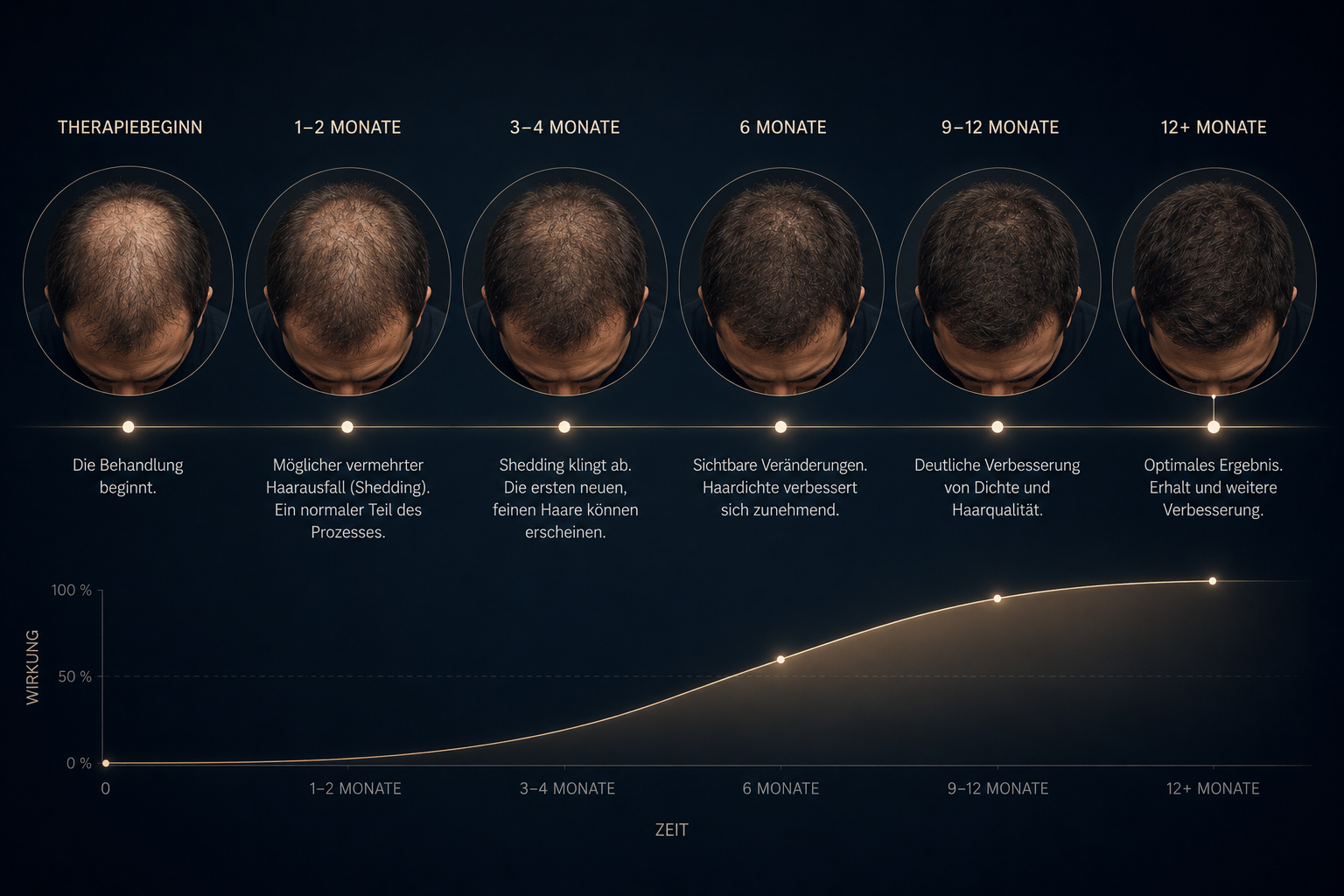
The first new hairs appear after about three to four months, with noticeable growth at six to nine months. We assess final density and texture at around twelve months, or slightly later for very fine hair.
In the first few weeks, most transplanted hairs shed their visible shaft while the root stays in the tissue. This so-called shock loss is a normal part of the process and not a sign that anything has failed. The hair regrows permanently from the root that remains.
A natural look comes from hair angle, growth direction and an irregularly drawn hairline, not from packing in as many grafts as possible. This is exactly the planning Dr. Rosenthal handles herself. It is the difference between a result that is merely dense and one nobody notices.
It suits men and women with hereditary hair loss, a receding hairline at the temples, thinning at the crown or a widening part. The requirement is a sufficiently dense donor area at the back of the head. Whether the procedure makes sense in your case is established at an in-person examination with Dr. Rosenthal.
Yes. In women, hair loss usually shows as diffuse thinning around the part or as a hairline that sits too high; eyebrows can also be treated. The planning differs considerably from that for men and requires specific experience with female pattern hair loss.
Before the mid-twenties it is often impossible to predict how far hair loss will progress, and a hairline set too early can look out of place later on. With younger patients we therefore plan conservatively for the long term, or start with medication-based or regenerative therapy first.
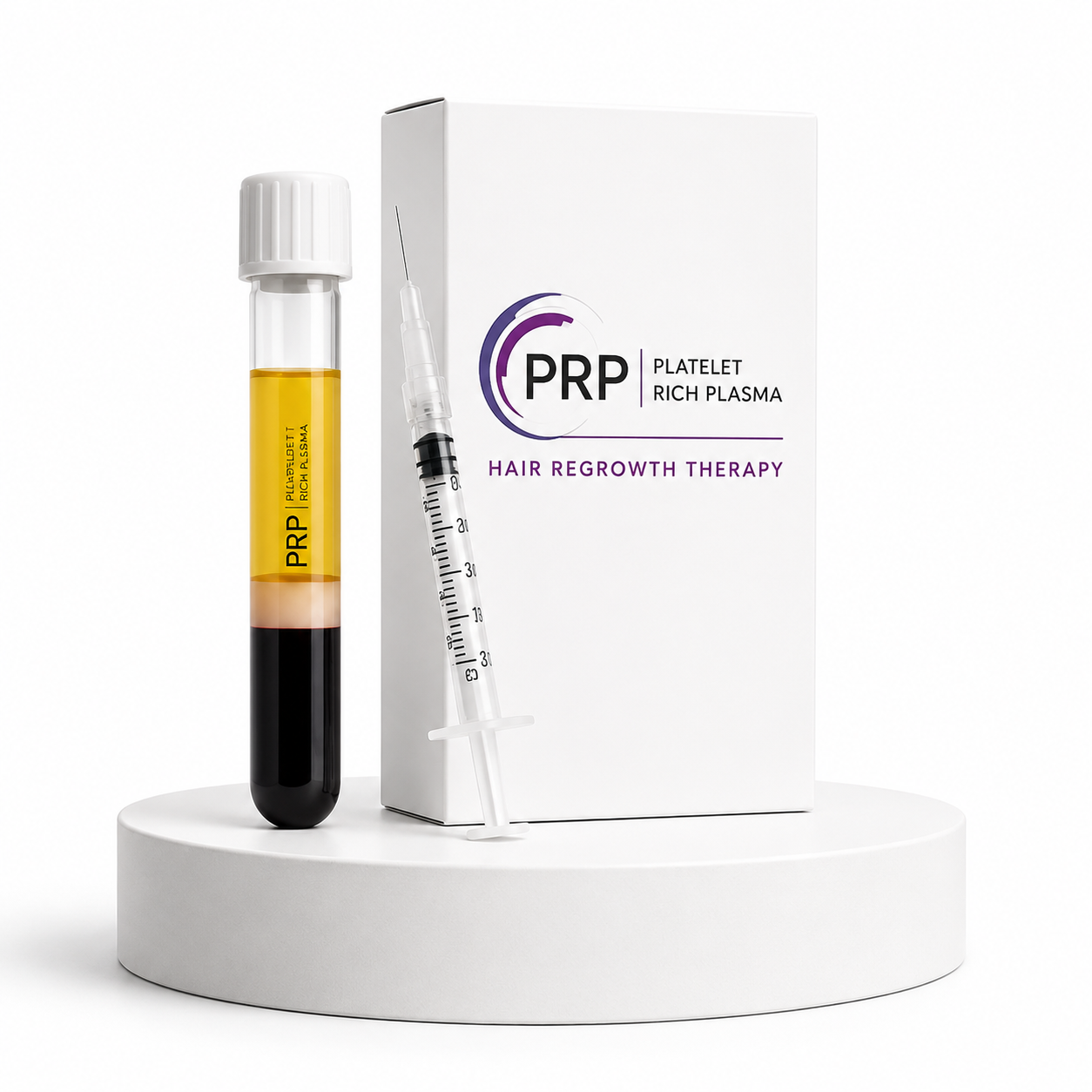
Yes. PRP (platelet-rich plasma) therapy and MesoHair mesotherapy strengthen and regenerate the hair you already have. They can slow hair loss and work well either alongside a transplant or as a first step, as long as enough of your own hair remains.


We look at your diagnosis and tell you honestly what is possible. Including when the answer isn't the treatment you were expecting.
Get in touch for a consultation